
When a home doesn’t sell, the impact goes beyond logistics—it affects your sense of momentum and certainty. You prepared for the next chapter. You informed family and friends. You imagined where life would take you next. Then the process stalled.
Experiencing frustration, confusion, or embarrassment in this situation is normal. However, an unsuccessful first listing does not mean your home is unsellable.
In most cases, the outcome is not determined by the property itself, but by the strategy used to bring it to market. Pricing, positioning, exposure, and timing play a decisive role—and data consistently supports this conclusion.
A different approach can lead to a different result.
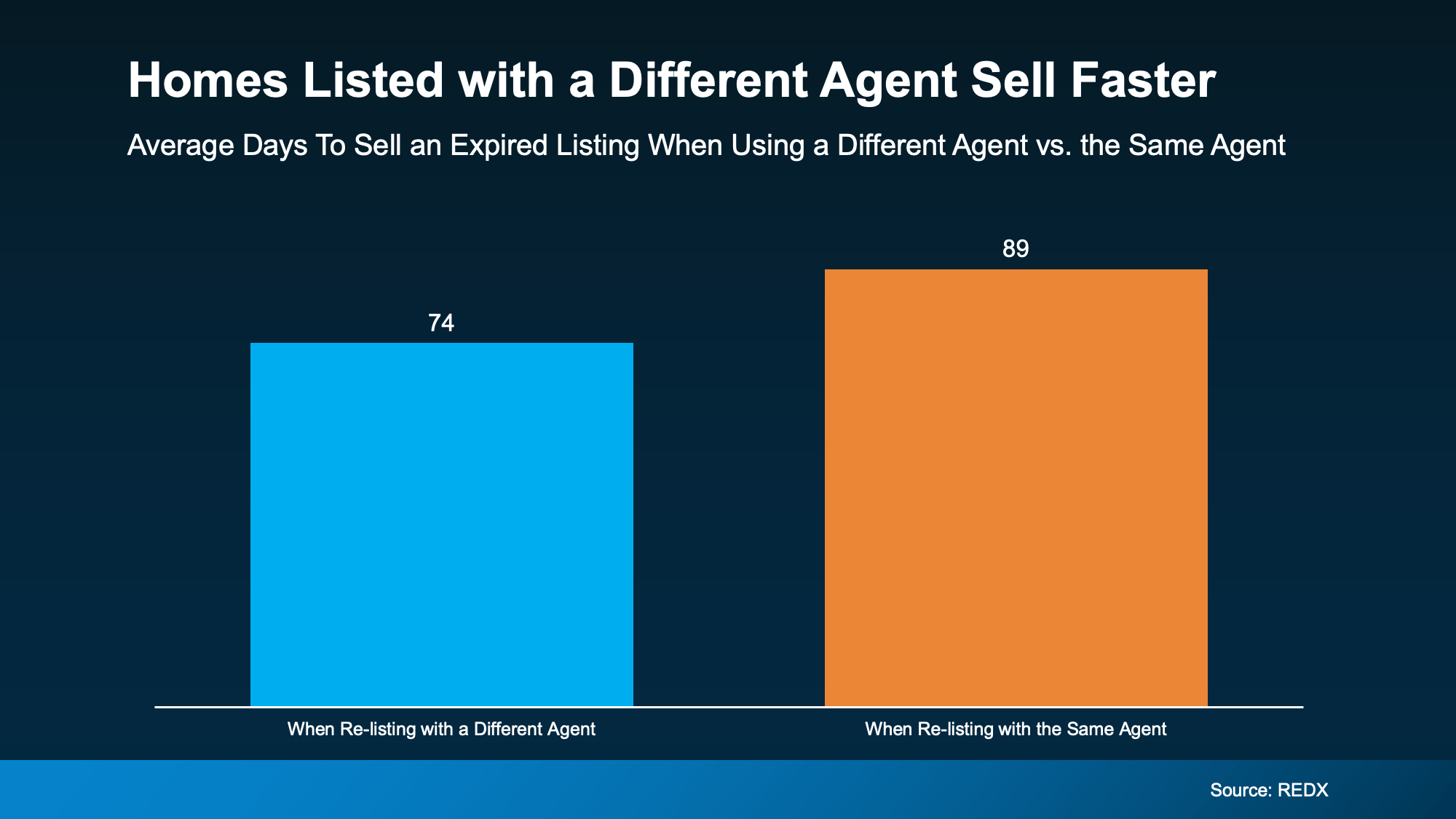
Research from REDX found over half (54%) of homeowners who re-list with a different agent end up selling their house. Re-list with the same agent? That stat drops to only 36%. You deserve better odds than that.

If your home didn’t sell, there’s no need to panic. You’re not stuck—and this doesn’t have to be the end of the road. Often, the solution isn’t waiting longer, but working with a professional who brings a different perspective and a more effective approach.
In many cases, the issue isn’t the market or the home itself. It’s the strategy behind the sale.
By identifying what didn’t work the first time and adjusting the plan, you can position your home for a successful outcome moving forward. Let’s take a closer look at where things may have gone off track—and how a fresh strategy can change the result.
1. Pricing Worked Against the Sale
Many sellers price their homes based on peak-market sales from 2021, hoping to achieve similar results. However, today’s market operates under different conditions. Buyers are more informed, more cautious, and less willing to overpay.
When a home is priced too high, it can deter early interest, reduce showing activity, and ultimately lead to longer time on market—making the property harder to sell, even after price adjustments.
Today’s buyers are being more selective. Even a slightly overpriced home will get overlooked today. And once your listing starts to go stale, it’s hard to regain momentum. The result? A widening gap between seller and buyer expectations (see graph below). That could be what cost you your sale.

The Fix: Adjust the Price Based on Today’s Market
A new pricing analysis should reflect current buyer behavior in your specific neighborhood—not peak conditions from 2021. Even a modest adjustment can make a meaningful difference. According to HousingWire, many successful sellers regained buyer interest after reducing their price by approximately 4%. In the context of a full home sale, this type of adjustment is often minor—but it can be enough to bring qualified buyers back through the door.
2. The Home Didn’t Show Well
First impressions matter, and in real estate, they often happen online. If listing photos didn’t stand out, staging was minimal, or the home felt dated, many buyers likely passed without scheduling a showing. For those who did visit, small details—such as scuffed walls, outdated lighting, or minor maintenance issues—can quietly signal hesitation and cost you offers.
The Fix: Improve Presentation with a Fresh Perspective
A walkthrough with fresh eyes can identify what may have been holding buyers back, both inside and out. Simple updates—fresh paint, modern lighting, improved curb appeal, or professional photography—can dramatically change how buyers perceive a home and how long they stay engaged.
Here’s a real-world example (see graph below):
 3. You Weren’t Willing To Negotiate
In this market, flexibility matters. If you weren’t open to negotiating on repairs, closing costs, or other concessions, buyers may have walked, especially because many now expect at least some give-and-take.
The Fix: Be willing to meet buyers where they are. The goal is to get the deal done – and sometimes that means getting creative to cross the finish line. Home values have increased by 48.5% over the last five years, so you likely have enough wiggle room to offer some perks without sacrificing your bottom line.
Bottom Line
If your house didn’t sell and your listing has expired, you’re not stuck. You just need a better plan. And maybe, a better partner.
Same house. Different strategy. Completely different results.
If you’re ready to understand what held your sale back (and how to get it right this time), let’s take a fresh look together. A few strategic shifts could be all it takes to get your move back on track.